In this article
People with long-standing heel, knee, back or shoulder pain are increasingly searching for Agnikarma treatment and Viddhakarma. Both are classical Ayurvedic procedures described in the Sushruta Samhita. At Shree Narayandham they are carried out by our Ayurvedic doctors, and they are included in the daily residential tariff when the doctor prescribes them.
What is Agnikarma treatment?
Agnikarma means "action of heat". The doctor heats a special metal instrument, called a shalaka, and touches it to the skin briefly at chosen points over the painful area. The contact lasts a moment. It leaves small, shallow marks that heal over the following days.
Ayurveda traditionally uses Agnikarma for pain linked to Vata and Kapha, especially in muscles, tendons and joints.
What is Viddhakarma?
Viddhakarma means "piercing". The doctor inserts a fine sterile needle briefly at specific points, chosen according to Ayurvedic texts and your symptoms. It is quick and usually done in a few minutes.
What they are traditionally used for
Ayurvedic doctors consider these procedures for pain such as:
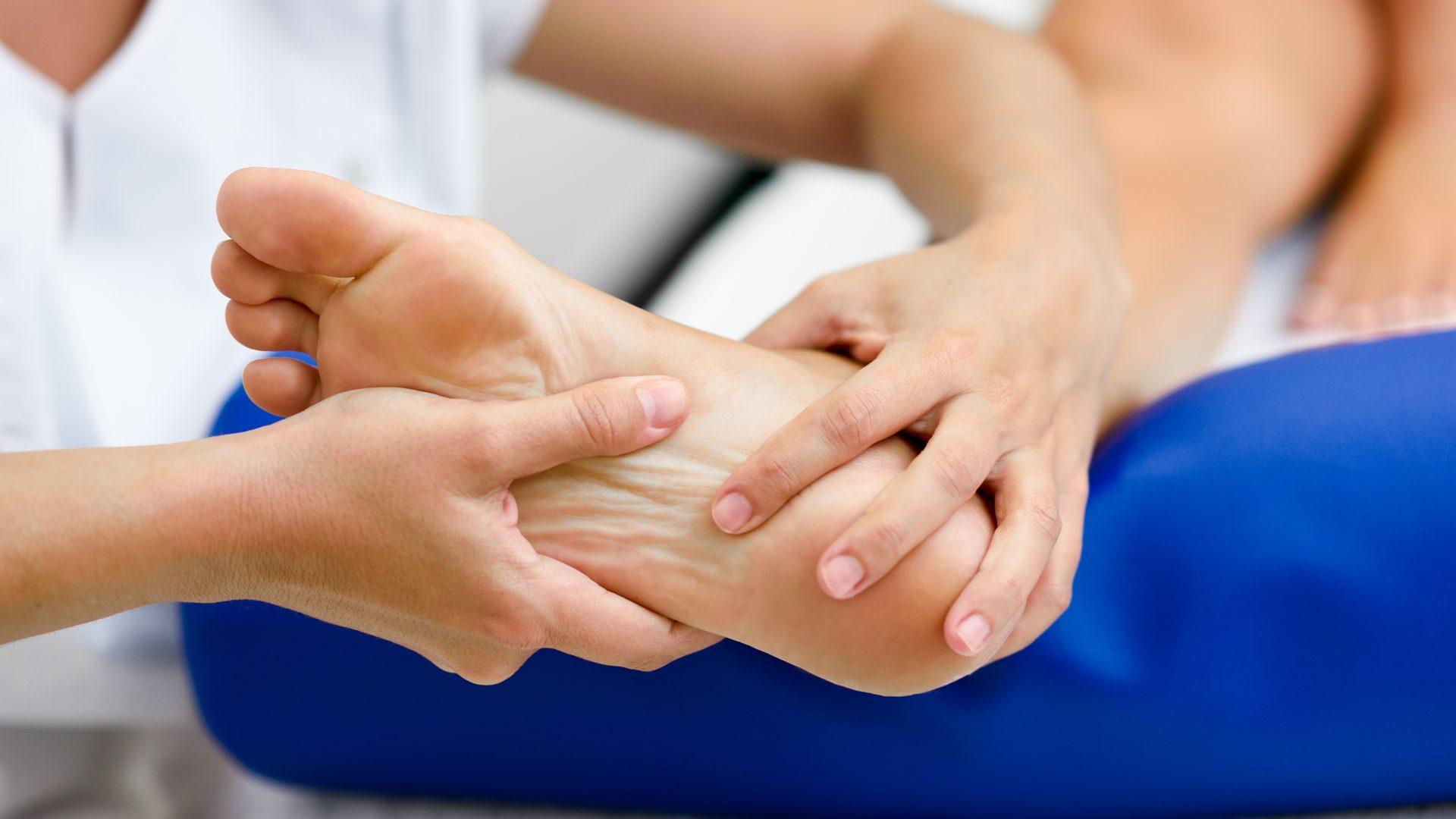
- Heel pain, including plantar fasciitis and heel spur
- Knee pain
- Back pain and sciatica
- Neck pain and frozen shoulder
- Tennis elbow
- Some muscle and tendon pain
Whether either procedure suits you depends on the cause of the pain, so the doctor examines you and looks at your reports first. Pain with fever, weight loss, a recent injury or numbness needs a medical check before any Ayurvedic procedure. Read about Ayurvedic care for knee and back pain.
What a session is like
- The doctor examines the area and marks the points.
- The skin is cleaned.
- The procedure is done, usually in a few minutes.
- A soothing application is put on the area, and you are told how to care for it.
Most people describe a short, sharp sensation. You will be told to keep the area clean and dry for a short time afterwards.
How many sessions?
The doctor decides the number of sessions and the gap between them, based on how you respond. Some people feel a change after one session; others need several. Agnikarma and Viddhakarma are often combined with massage, physiotherapy, yoga and diet during a stay.
Who should avoid them
These procedures are not advised, or need special care, if you:
- Are pregnant
- Have a bleeding disorder or take blood thinners
- Have diabetes that is not well controlled, or slow-healing wounds
- Have a skin infection or wound at the site
- Are very weak or unwell
Tell the doctor about every medicine you take.
Agnikarma at Shree Narayandham
Agnikarma and Viddhakarma are done as part of a residential stay, after examination by our Ayurvedic doctors. They are included in the daily tariff, which also covers your room, meals, other prescribed treatments and doctor consultations, from Rs 4,000 per person per day on double sharing in 2026-27. The minimum stay is three days. See our Panchakarma page and joint and muscle care.
Common questions
Is Agnikarma painful?
There is a brief, sharp sensation at each point. The procedure is quick.
Will it leave a mark?
It leaves small marks that usually fade over time. Ask the doctor what to expect for your skin.
Can I walk after Agnikarma for heel pain?
Ask the doctor before your session. You will be told how to care for the area and what footwear and rest suit you afterwards.
Next step
Call +91 98810 68109 or book a consultation and tell us where the pain is and how long you have had it.
This article is general information, not medical advice. Please read our wellness disclaimer.
This article is general information from Shree Narayandham Naturopathy Center, not medical advice. Please consult a doctor before starting any treatment.
Ask our doctors
Have a question about this topic or your own health? Leave your number and one of our team will call you back.