In this article
As the mornings turn cool, many people look for an Ayurvedic winter diet to stay healthy through the season. Ayurveda has a full set of seasonal guidelines, called ritucharya. In India, winter covers two seasons: Hemant (early winter, roughly mid-November to mid-January) and Shishir (late winter, roughly mid-January to mid-March). Here is what Ayurveda advises for both, in plain language.
Why winter is different in Ayurveda
Ayurveda teaches that digestive fire (agni) is usually strong in winter. The cold outside keeps heat inside the body, so appetite rises and the body can digest more nourishing food. If that hunger is not met with good food, Ayurveda says the body becomes dry and Vata rises: dry skin, stiff joints, cracked heels and poor sleep are common winter complaints.
Ayurvedic winter diet: what to eat
- Warm, freshly cooked meals. Avoid cold food and drinks straight from the fridge.
- Healthy fats in moderation. Ghee and sesame oil are the classic winter fats.
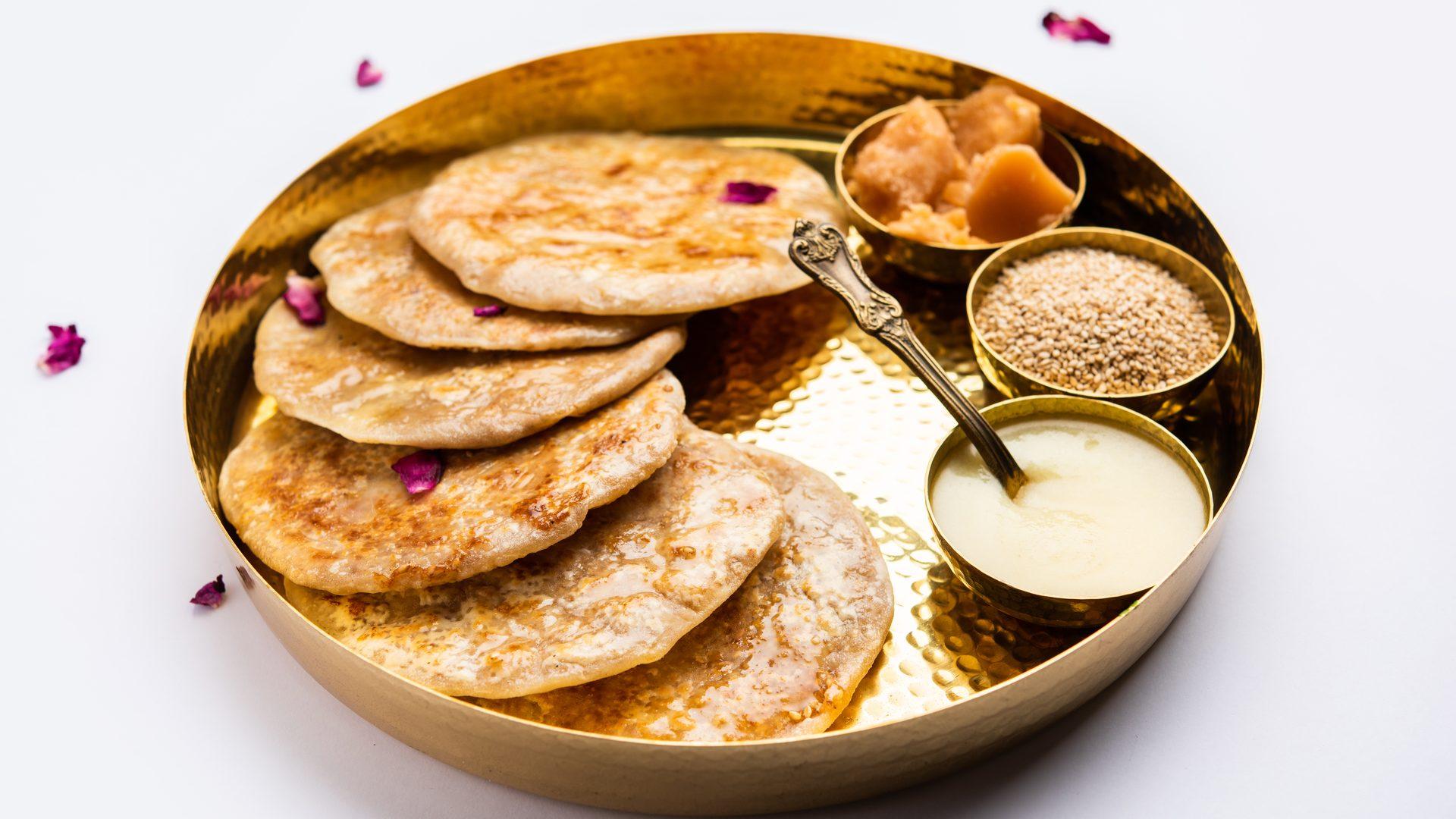
- Sesame and jaggery. Til is traditional in Maharashtra in winter, as at Makar Sankranti.
- Millets and whole grains. Bajra bhakri, jowar, wheat and rice.
- Seasonal vegetables. Leafy greens like methi and spinach, carrots, beetroot, peas and root vegetables.
- Soups and pulses. Moong dal soup and vegetable soups are light and warming.
- Spices. Ginger, black pepper, cumin and turmeric in cooking.
- Fruits of the season, such as amla, guava and oranges, eaten at room temperature in the day.
- Warm water through the day.
People with diabetes, high cholesterol, weight concerns or heart disease should be careful with ghee, jaggery and sweets. Ask your doctor how much suits you. Read about type 2 diabetes care.
A sample winter day of meals
This is a general example for a healthy adult. Your own needs depend on your health, age and work, so adjust it with your doctor.
- On waking: a glass of warm water.
- Breakfast: vegetable upma, poha or a moong dal chilla, with a small spoon of ghee if it suits you.
- Mid-morning: a seasonal fruit such as guava or an orange, or a few soaked almonds.
- Lunch: bajra or jowar bhakri, a methi or spinach sabzi, dal, rice and a little homemade buttermilk at room temperature.
- Evening: a cup of warm vegetable or moong soup, or roasted chana.
- Dinner, before 8 pm: khichdi or a light dal and vegetable meal with a chapati.
- Through the day: sip warm water. A small piece of til and jaggery after lunch is a traditional winter treat, if your doctor agrees.
Daily routine for winter
- Oil massage (Abhyanga). A warm sesame oil massage before bathing is the most-recommended winter habit. Read how to do Abhyanga.
- Exercise. Winter is the season for more activity: a brisk walk, yoga and Surya Namaskar.
- Bath with warm, not very hot, water.
- Sun. Some morning sunlight, with the body covered against cold wind.
- Sleep. Go to bed on time. Long daytime naps are not advised.
- Keep warm. Cover the head, ears and feet in the early morning.
Common winter complaints and simple care
- Dry skin and cracked heels: oil massage, ghee in the diet, warm foot soaks.
- Stiff joints: keep moving, oil massage, warm compresses. See knee and back pain.
- Cold and blocked nose: steam inhalation; some people find Jal neti helpful.
See a doctor for fever, chest pain, breathlessness or a cough that does not settle.
Is winter a good time for a stay?
Many guests find the cool, clear months at Shree Kshetra Narayanpur a pleasant time for a residential stay. Mornings are cool, so bring warm clothes. The doctor plans your diet and treatments to suit the season and your health. If you are thinking about Panchakarma, ask the doctor which procedures suit this season for you.
Next step
Call +91 98810 68109 or book a consultation to plan a winter stay, or read about our diet therapy.
This article is general information, not medical advice. Please read our wellness disclaimer.
This article is general information from Shree Narayandham Naturopathy Center, not medical advice. Please consult a doctor before starting any treatment.
Ask our doctors
Have a question about this topic or your own health? Leave your number and one of our team will call you back.